
The **Hitchhiker's Guide to the Peonies** is a modest attempt to explain a plant that behaves like a small, well-dressed miracle and then acts as if it’s done you a personal favour. It is also, in practice, a set of instructions that begins as gardening and ends as an intimate relationship with a patch of soil - rhs.org.uk 
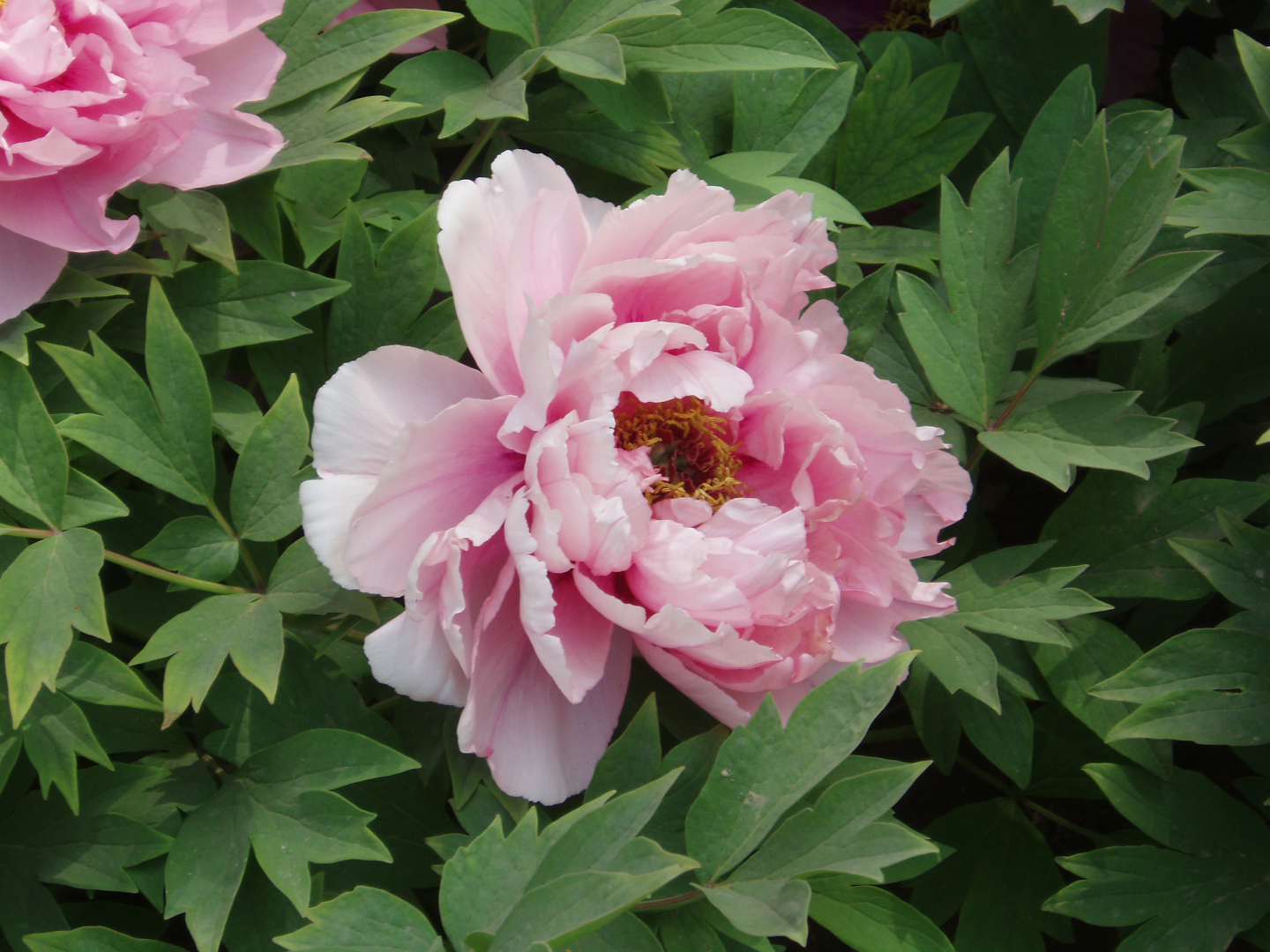
Paeonia suffruticosa - wikipedia
# What Peonies Are For
Peonies exist to remind you that the Universe is capable of unnecessary beauty, and that this beauty often arrives on a schedule you did not approve. They also exist to make you stand in a garden for several minutes, holding a mug of tea, staring at a flower as if it owes you money.
They bloom with the confidence of something that has never read a self-help book. They do not improve themselves. They simply unfold.
# Where to Put Them
Choose a place and then commit to it with the seriousness of a small monarchy selecting a capital city. Peonies resent moving. They will tolerate it, but only in the way a person tolerates being interrupted mid-sentence.
They prefer sun, but not the sort of sun that turns everything into a crisp. A good rule is this: if you can sit there pleasantly for a while, the peony can probably manage it too.
The soil should drain well. If you have soil that clings to water like a sentimental relative, improve it. If you do not improve it, the peony will quietly disapprove and then produce fewer flowers in protest.
# Planting Plant peonies at the correct depth, which is to say, far less deep than you feel is sensible. The “eyes” (the small reddish growth buds) should sit just below the surface, not buried like treasure. If you plant them too deep, the peony will grow leaves with great enthusiasm and then refuse to flower, as if to demonstrate a point about boundaries.
Space them out. Peonies enjoy air circulation and personal space. Crowding them is like inviting three opera singers to share one microphone.
Water them in well, and then stop fiddling.
# Watering Water deeply and occasionally, not lightly and constantly. A peony does not want daily anxiety sprinkled over it. It wants a proper drink when it’s needed, followed by being left alone to get on with the complicated business of being itself.
During dry spells, water at the base, not over the leaves. Wet leaves invite disease, and a peony with disease is like a grand piano with soup in it: tragic, avoidable, and faintly confusing.
# Feeding Peonies are not greedy. They do not want you throwing enthusiastic handfuls of fertiliser at them like confetti. A light top-dressing of compost in spring is usually enough, plus a balanced feed if your soil is poor.
If you feed too much nitrogen, you will get a magnificent amount of foliage, which is lovely if you are growing peony leaves for a museum exhibit, and less lovely if you wanted flowers.
# Staking Some peonies require support, because their flowers are essentially large, fragrant declarations of intent. If you leave them unsupported, they may collapse theatrically after rain, like a Victorian heroine.
Put supports in early, before they flop, so the plant grows through them naturally. Waiting until they fall over and then trying to say “this will hold” is an optimistic activity, not a gardening one.
# Deadheading and Cutting Back When blooms fade, remove the spent flowers unless you are specifically collecting seed, which most people are not, because most people have jobs. Deadheading keeps the plant tidy and reduces the chance of rot around dying petals.
In autumn, when the foliage dies back, cut the stems down to ground level and remove the debris. This is not just aesthetics. It’s hygiene. You are tidying up the peony’s personal life.
# The Slightly Obsessive Instructions - Do not move the peony to “see if it likes it better over there”. It does not. - Do not plant it too deep, even if the hole looks disappointingly shallow. Shallow is correct. - Do not overwater it out of love. Peonies do not thrive on love. They thrive on drainage. - Do not mulch right up against the crown as if you are tucking it in. Leave space. Peonies like air. - Do not cut the foliage down in summer because it looks messy. The leaves are charging the plant for next year’s flowers and they take this job seriously. - Do not be alarmed if it takes time. Peonies are playing the long game and they are very good at it.
# What To Expect In the first year, a peony may do very little, like a guest arriving early and standing quietly in the doorway. In subsequent years, it will establish itself, deepen its roots, and then suddenly produce flowers as if it has always been famous.